Northumberland's Wildlife Wonderland
Northumberland isn't just about castles and coastal views—it's one of England's last strongholds for some of Britain's most beloved and threatened wildlife. From the russet flash of a red squirrel leaping between pines to the whiskered face of a curious seal popping up beside your kayak, this corner of England offers intimate encounters with creatures that have vanished from much of the country.
Whilst the Farne Islands rightly claim fame for their seabird colonies, Northumberland's wildlife story runs much deeper. Ancient woodlands harbour red squirrels in numbers unseen elsewhere in England, coastal caves hide breeding seal colonies, and if you're patient and lucky, the elusive otter leaves its spraints along quiet riverbanks at dawn.
Kielder Forest: Red Squirrel Haven
Kielder Forest Park, England's largest working forest, is the red squirrel's fortress. With over 250 square miles of coniferous woodland forming a barrier against the invasive grey squirrel, this is where England's native reds thrive in their greatest numbers—an estimated 50% of England's entire population calls Kielder home.
The Red Squirrel Trail at Kielder Castle (NE48 1ER) offers your best chance of a sighting. This gentle 1.5-mile waymarked loop winds through mixed woodland with strategically placed feeders that the squirrels visit throughout the day. Early morning or late afternoon visits yield the highest success rates, particularly in autumn when they're frantically caching food for winter.
The squirrel hide near Kielder Castle Visitor Centre provides exceptional photo opportunities. It's free to use and equipped with benches facing feeding stations just metres away. Bring binoculars and patience—on a good day, you might see half a dozen individuals, their ear tufts prominent and their acrobatic displays utterly captivating.
Don't miss the twice-weekly guided Red Squirrel Ranger walks (April-October, £8 adults). The rangers know individual squirrels by their markings and share fascinating insights into their behaviour, from their swimming abilities to their remarkable spatial memory for buried nuts.
Practical tip: Download the free Red Squirrels Northern England app before visiting. It includes an interactive sightings map and helps with identification—red squirrels are smaller than you'd expect, about the size of a mug.
Druridge Bay: Seal Watching from the Shore
While boat trips to the Farnes guarantee seal encounters, there's something magical about watching these marine mammals from the beach, where you're on their terms rather than intruding into their space.
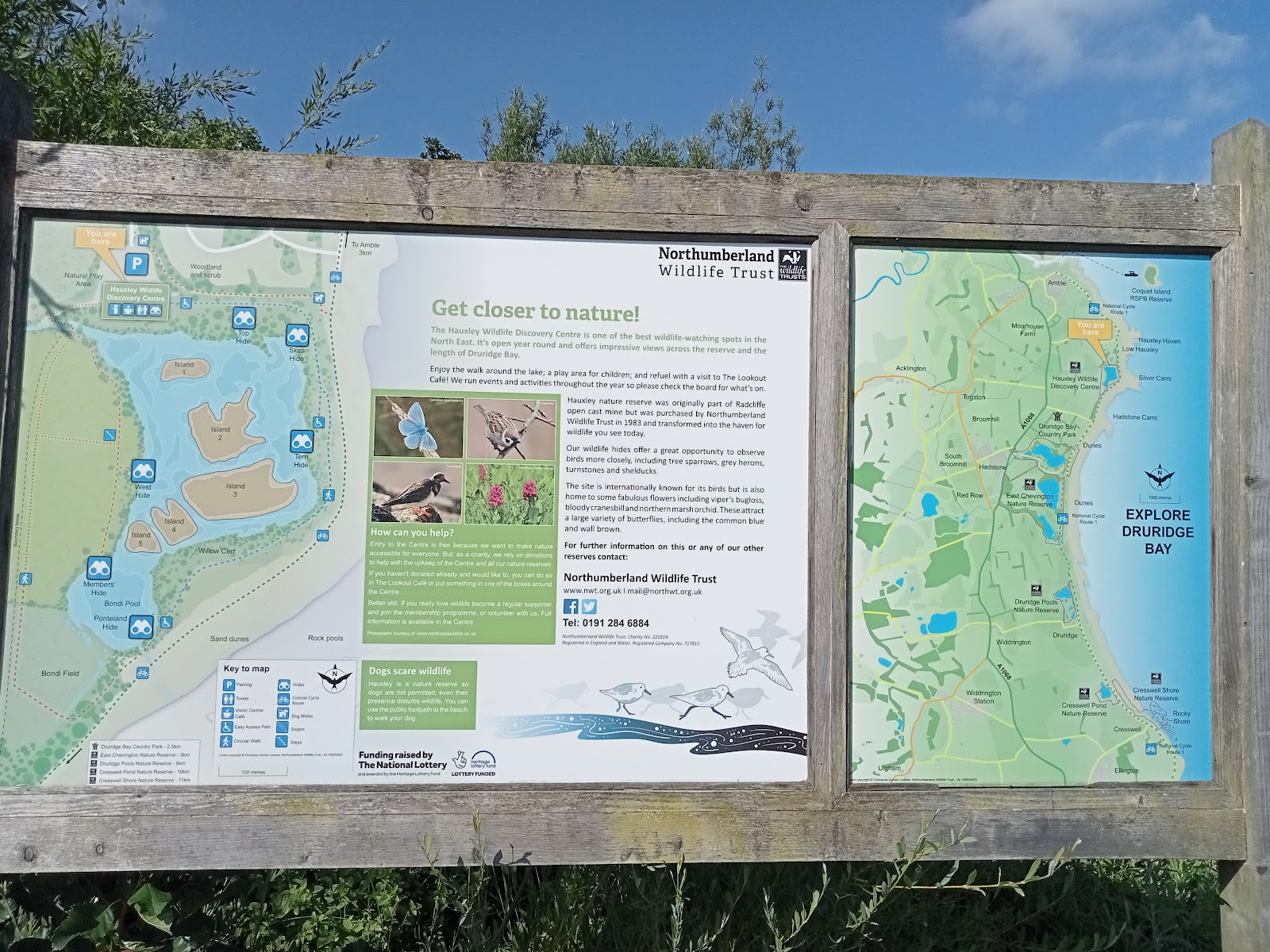
Druridge Bay Country Park (NE61 5BX) offers consistent seal sightings, particularly around Hauxley Nature Reserve at the southern end. Grey seals and harbour seals both frequent these waters, and at low tide, they haul out on offshore rocks to rest and digest their fishy meals.
The best vantage point is the coastal path between Hauxley and Druridge Bay, particularly the stretch near Low Hauxley village. Bring binoculars or a telephoto lens—seals are curious but maintaining a respectful distance (at least 100 metres) is crucial for their welfare.
Timing matters enormously. Visit two hours either side of low tide when rocks are exposed. Grey seal pupping season (September-December) brings mothers and their white-coated pups to secluded coves, though you'll need to stay well back to avoid disturbing them. Harbour seal pups arrive in June-July and can swim within hours of birth.
The Wildlife Trust's Hauxley Nature Reserve visitor centre (open Wednesday-Sunday, free entry) provides telescopes overlooking the beach and knowledgeable volunteers who'll point out current seal locations. Their mammal sightings board is updated daily.
Cresswell to Snab Point: The Otter Coast
Otters have made a remarkable comeback along Northumberland's coastline, and the stretch from Cresswell to Snab Point offers genuine chances of spotting these charismatic mustelids—if you're willing to rise early.
Cresswell Pond (NE61 5JN), a freshwater pool just behind the dunes, is where local otter watchers congregate at dawn. Coastal otters are most active in the two hours after sunrise, particularly on a rising tide when they're pushed out of their rock pool feeding grounds. Look for a dark, low-profile shape moving through the water—otters have a distinctive humped swimming style and often carry fish to the bank to eat.
The coastal path north from Cresswell towards Snab Point passes several rocky inlets where otters hunt for crabs and butterfish at low tide. They're incredibly elusive, but their presence is everywhere once you know what to look for: five-toed prints in sand, fish bones on prominent rocks, and spraints (droppings) with a distinctive sweet, fishy smell left on high points to mark territory.
Join a dawn otter watch with Northumberland Wildlife Trust (pre-booking essential, £15) for expert guidance. Their guides know the local otter families and can spot signs invisible to untrained eyes. Even if the otters don't show, you'll learn to read the landscape like a naturalist.
Reality check: Otter watching requires patience and realistic expectations. Even in prime habitat, sightings aren't guaranteed. But the quest is part of the magic—rising before dawn, watching mist lift off still water, and knowing that somewhere beneath that calm surface, an otter is going about its ancient business.
Holystone Woodlands: Red Squirrels and Ancient Trees
Further south in the Northumberland National Park, Holystone Woods (NE65 7AP) offers a more intimate red squirrel experience than Kielder's vastness. This ancient semi-natural woodland near Rothbury has been continuously wooded since at least medieval times, and its red squirrel population thrives in the mosaic of Scots pine, oak, and birch.
The woodland walk from Lady's Well (a curious stone bath with Arthurian legends attached) follows the Holystone Burn for two miles through prime squirrel habitat. The mix of conifer and broadleaf provides year-round food sources—pine cones in winter, hazelnuts in autumn, tree flowers in spring.
Unlike Kielder's purpose-built viewing areas, Holystone requires more detective work. Look for gnawed pine cones beneath trees (squirrels strip them in a distinctive pattern, leaving what looks like an apple core). Listen for chattering alarm calls when they spot you first. Watch the canopy—red squirrels spend 80% of their time in trees and can leap 2 metres between branches.
The circular walk takes around 90 minutes at a gentle pace, and the lack of crowds means you can stop and watch without disturbing other visitors. Combine it with a visit to nearby Harbottle for lunch at The Star Inn (NE65 7DG).
Coquet Island: Roseate Terns and Grey Seals (Viewing from Shore)
Coquet Island, visible from Amble's harbour, is an RSPB reserve closed to visitors, but its wildlife is beautifully observable from the Amble South Pier and Coquet Island Viewpoint (NE65 0TR). This is one of only a handful of UK sites where the rare roseate tern breeds, alongside common, Arctic, and Sandwich terns.
From late April through August, the island buzzes with avian activity. Bring a decent spotting scope or binoculars—from the viewing platform, you're roughly 400 metres from the island's beaches where terns rest between fishing trips.
Grey seals use the island's rocky shores year-round, and patient observation often reveals them surfacing in the channel or hauled out on rocks. The RSPB operates a summer information point on the harbour with telescope viewing and expert volunteers (weekends and school holidays, free).
Coquet Island is also one of England's most important puffin colonies, with approximately 30,000 puffins nesting in burrows across the island's grassy plateau each summer. From the viewing platform, you can watch puffins shuttling back and forth with beaks full of sand eels during the breeding season (April–July). The terns, however, are equally impressive—watching a roseate tern plunge-dive for sand eels, its salmon-pink breast catching the light, is a privilege shared by few.
Wildlife Watching Ethics
Northumberland's wildlife is accessible, but responsible watching is crucial:
- Keep distance: Use binoculars rather than approaching. Recommended minimums: 100m for seals, 20m for red squirrels (though hides and feeding stations allow closer observation).
- Avoid disturbance: Never chase, surround, or attempt to touch wildlife. If an animal changes behaviour because of you, you're too close.
- Breeding seasons: Give extra space March-August. Disturbed seal pups may be abandoned by mothers.
- Dogs: Keep on leads near seal haul-outs and in red squirrel areas. Even friendly dogs cause stress.
- Report sightings: Apps like iNaturalist and Mammal Mapper help scientists track populations.
Practical Wildlife Watching Kit
A few items dramatically improve your chances and experience:
- Binoculars: 8x42 or 10x42 are ideal for both woodland and coastal watching
- Field guide: "Mammals of the British Isles" (Mammal Society) is comprehensive
- Camera: A bridge camera or phone with telephoto lens lets you identify species later
- Layers: Weather changes rapidly—bring waterproofs even on clear mornings
- Flask: Dawn watches are cold; hot tea maintains morale during long waits
- Notebook: Recording behaviour, weather, and tide times improves your skills
Quick Wildlife Watching Tips
Best times: Dawn and dusk for most mammals. Otters: 2 hours after sunrise on rising tides. Red squirrels: active throughout day, peaks at 8-10am and 3-5pm. Seals: low tide plus two hours.
Best seasons: Red squirrels are easiest to spot in autumn (September-November) when they're hyperactive gathering food. Seals are present year-round but pupping seasons (June-July for harbour seals, September-December for grey seals) offer magical moments. Otters are year-round residents but most visible in winter when freshwater prey is scarce.
Patience pays: Wildlife watching isn't guaranteed. Even in prime habitat, you might see nothing—or you might witness something extraordinary. The uncertainty is part of the enchantment. Bring a book, stay quiet, and let the landscape work its slow magic.
Local knowledge: Chat to rangers, reserve volunteers, and Wildlife Trust staff. They know where the local otter was spotted that morning or which feeding station the squirrels are favouring this week. Their insights transform a nice walk into a genuine wildlife encounter.
Sources & Useful Links
- RSPB Coquet Island Seabird Reserve — Seabird colony information and conservation
- Amble Puffin Festival — Puffin facts and Coquet Island viewing
- Kielder Water & Forest Park — Red squirrel trail maps and visitor info
- Northumberland Wildlife Trust — Hauxley Nature Reserve and wildlife events
- Red Squirrels Northern England — Sightings app and conservation updates