Discovering Northumberland's Market Town Heritage
While Northumberland's castles and coastline capture the headlines, the county's historic market towns offer something equally special: a living connection to centuries of tradition, wrapped in honey-coloured stone and punctuated by weekly markets that have traded continuously for over 700 years. These aren't museum pieces—they're thriving communities where independent shops outnumber chains, farmers still bring produce to ancient market squares, and medieval street patterns guide your explorations.
From Hexham's abbey town grandeur to Alnwick's castle-shadowed streets and Morpeth's riverside charm, Northumberland's market towns reveal a gentler, more intimate side of the region. Here's how to experience them at their authentic best.
Hexham: The Abbey Town
Hexham commands the Tyne Valley with architectural confidence. The town clusters around its magnificent abbey, founded in 674 AD, whose Saxon crypt—one of the finest in Europe—takes you back to Christianity's earliest days in northern England. The abbey itself is free to enter (donations welcomed), and the acoustics during evensong (Tuesdays and Sundays at 5pm) are spine-tingling.
The town's medieval street plan survives intact, with narrow 'chares' (alleyways) connecting Beaumont Street, Priestpopple, and Market Place. On Tuesday market days, farmers' stalls fill the Market Place (8am-4pm), selling everything from Doddington Dairy ice cream to wild venison from Kielder Forest. The Shambles, a covered market hall dating to 1766, houses permanent traders including excellent butchers, bakers, and the wonderful Forum Books & Coffee.
For lunch, Hextol Tans on St Mary's Chare is Hexham's only exclusively vegetarian and vegan café, run by the Hextol Foundation as a social enterprise supporting people with learning difficulties (mains £8-12). The Victorian Tap on Battle Hill offers 7 handpulls of real ale and hearty pub classics in a characterful Victorian corner pub.
Don't miss the Old Gaol, now a museum (£8 adults) exploring the Border Reiver history—cattle-rustling clans who terrorised this frontier for 300 years. The first-floor gallery recreates a medieval banquet hall, complete with weaponry that would make Game of Thrones jealous.
Best time to visit: Tuesday for the market, or late afternoon when tour buses have departed and golden light washes the abbey's sandstone.
Alnwick: The Castle Town
Alnwick (pronounced "Annick") sits in the shadow of the Percy family's mighty castle—second largest inhabited castle in England after Windsor. While many visitors beeline for the castle gates (£19.50 adults, open late March-October), the town itself deserves equal attention.
Fenkle Street and Narrowgate form Alnwick's commercial heart, lined with independent shops in Georgian townhouses. Barter Books, housed in the town's former Victorian railway station on Wagon Way Road, is one of Britain's largest second-hand bookshops and a destination in its own right. Original waiting room fireplaces still burn coal, model trains chug around overhead tracks, and comfy chairs invite hours of browsing. The shop's café serves excellent coffee and homemade cakes (£3-5).
Alnwick's Thursday market (9am-3pm) fills the cobbled Market Place beneath the town hall's elegant clock tower. Look for Craster kippers, Northumbrian cheese, and seasonal game. The Saturday farmers' market (9am-1pm, second Saturday monthly) is even better for artisan producers.
The Alnwick Garden (separate £20.80 adult ticket) surrounds a Grand Cascade fountain and includes the Poison Garden—locked behind black gates, accessible only on guided tours where you'll meet plants that can kill, cure, or cause serious hallucinations. The Treehouse Restaurant, perched among the boughs, serves lunches and afternoon teas in one of the world's largest treehouses.
For dinner, The Dirty Bottles on Narrowgate (named for dust-coated antique bottles in the windows) offers modern British cooking in candlelit intimacy (mains £16-26, booking essential).
Best time to visit: Saturday morning for the farmers' market, or early evening when the castle and gardens close and the town relaxes into local life.
Morpeth: The River Town
Morpeth lacks Hexham's abbey grandeur or Alnwick's castle drama, but compensates with riverside charm and the warmest welcome of Northumberland's market towns. The River Wansbeck curves around the town centre, crossed by handsome bridges and lined with walks that link medieval town centre to modern parks.
Bridge Street and Oldgate form the main shopping area, where independent retailers genuinely outnumber chains—increasingly rare in British market towns. The Chantry Bagpipe Museum (free entry, donations welcome) occupies a 13th-century chapel on the bridge and houses the world's most important collection of Northumbrian smallpipes. If you're lucky, volunteers might be practising—the sound is haunting and utterly unlike Scottish Highland pipes.
Wednesday market day (8am-4pm) fills the Market Place with traditional stalls. Morpeth's covered market on Newgate Street trades daily except Sunday and deserves exploration for butchers selling locally shot game, greengrocers with seasonal Northumbrian produce, and cafés serving builder's tea in proper mugs.
Carlisle Park, a five-minute walk from the centre, offers riverside walks, a paddling pool (free, summer only), and the romantic ruins of Ha' Hill—a Victorian folly with valley views. The park hosts festivals throughout summer.
For lunch, The Hive Café on Newgate Street is a social enterprise supporting adults with learning disabilities, serving excellent sandwiches, soups, and cakes (£4-8). For dinner, The Northumberland Arms near Felton combines coaching inn heritage with assured modern British cooking (mains £14-22).
Best time to visit: Wednesday for the market, or summer afternoons when locals descend on Carlisle Park with picnics and families fill the riverside paths.
Smaller Gems Worth Exploring
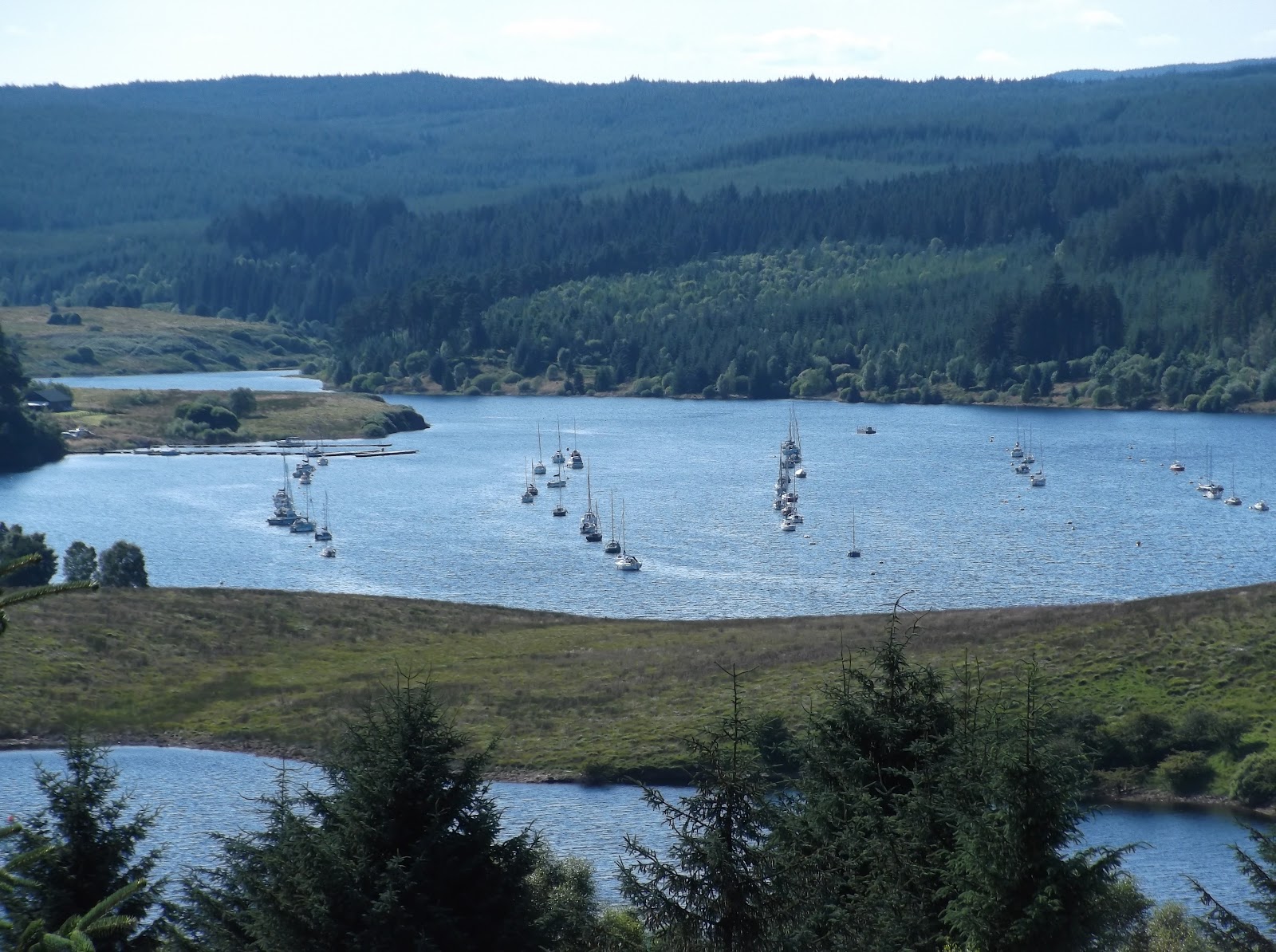
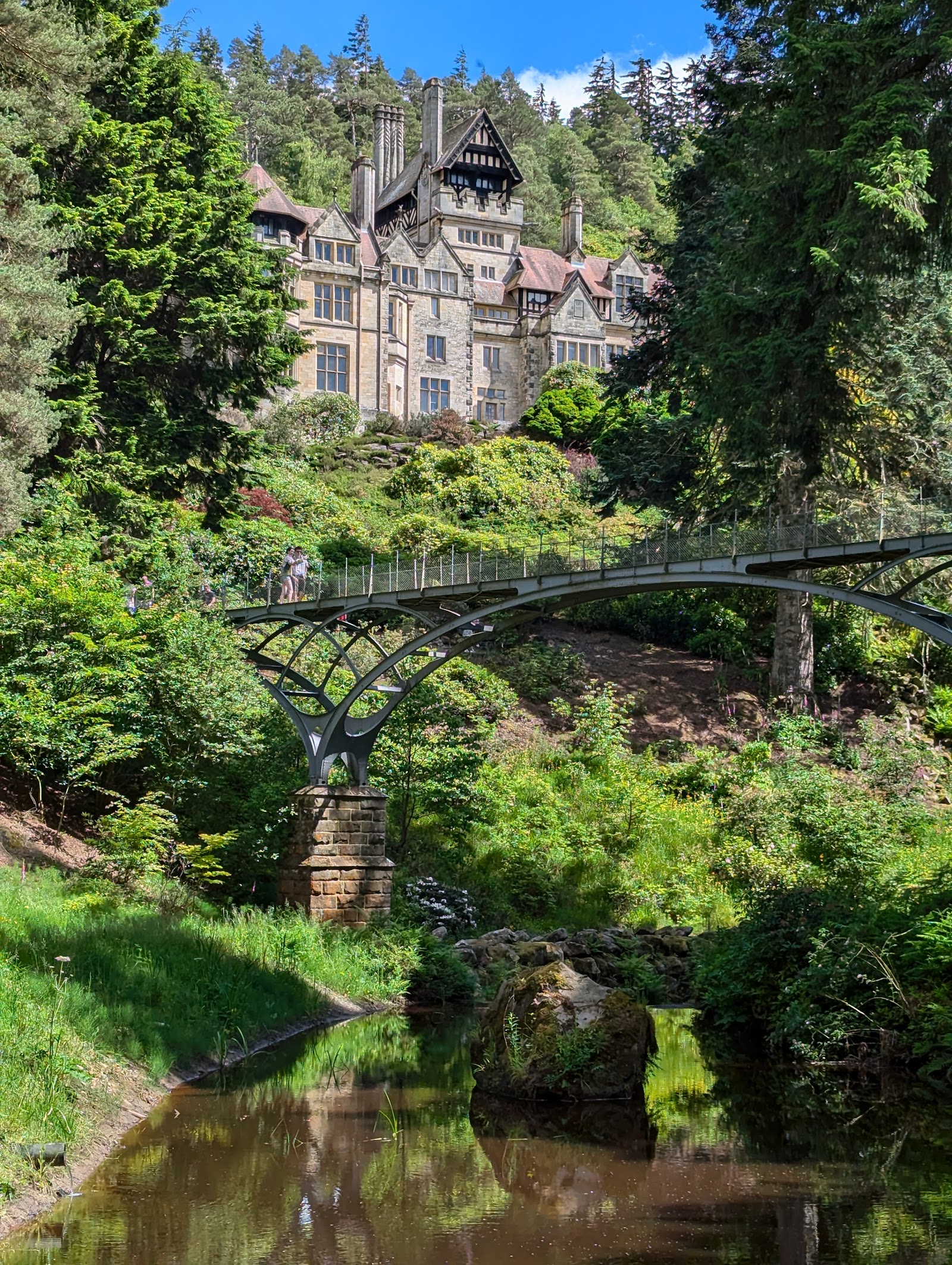
Beyond the big three, several smaller market towns reward detours. Rothbury, on the edge of Coquet Valley, makes an excellent base for exploring Cragside House (National Trust) and Simonside Hills. Its Wednesday market is tiny but perfectly formed. Wooler, beneath the Cheviot Hills, is a walkers' town with excellent outdoor shops and pubs that actually understand muddy boots. Bellingham (pronounced "Bellinjem") in North Tynedale serves as the gateway to Kielder Water and hosts the Border Shepherds Show each October—three centuries of agricultural tradition.
Practical Tips for Market Town Exploring
Markets: Most operate weekly regardless of weather. Arrive by 10am for best selection; traders often pack up by 3pm.
Parking: All three main towns have pay-and-display car parks (£3-5 daily). Hexham's Wentworth Car Park, Alnwick's Greenwell Road, and Morpeth's Dark Lane are most convenient.
Public transport: The Tyne Valley Line serves Hexham from Newcastle (35 minutes, hourly). Buses connect all towns but can be infrequent on Sundays. The X15 and X18 coastal routes are scenic options.
Timing: Avoid school holidays if you want quiet exploration. Spring (April-May) and autumn (September-October) offer perfect weather for wandering without summer crowds.
Eating: Book restaurants for Friday-Saturday dinners. Lunchtime walk-ins usually fine except August.
Making the Most of Your Visit
Allow a full day for each main town—half for structured sightseeing (abbey, castle, museums), half for aimless wandering down ancient streets, popping into shops that catch your eye, and lingering over coffee while watching market town life unfold. These aren't places to rush.
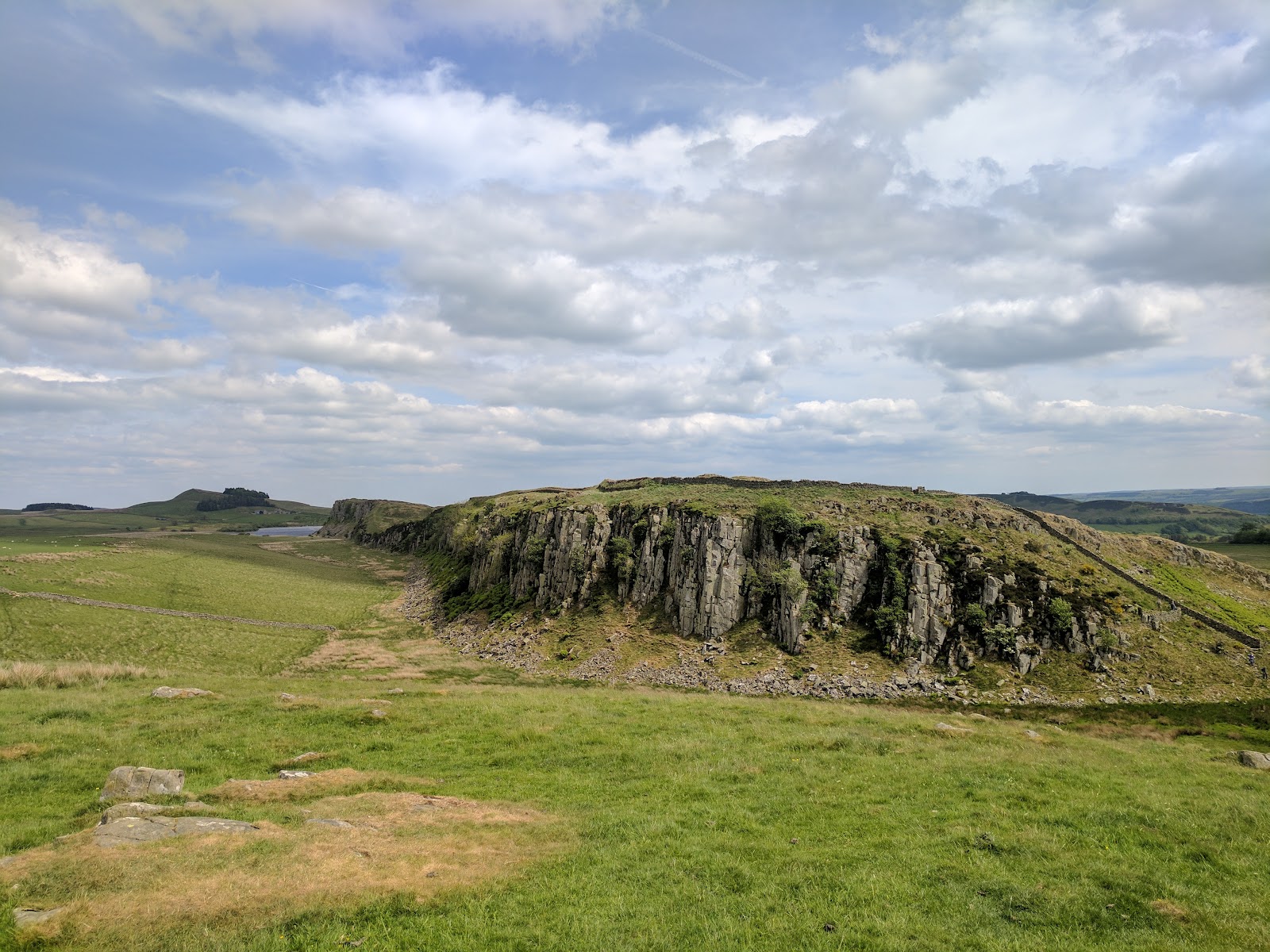
Combine market towns with Northumberland's other attractions: Hexham makes an excellent base for Hadrian's Wall (the best sections lie 10 minutes north). Alnwick pairs naturally with the coast—Craster and Dunstanburgh Castle are 20 minutes east. Morpeth works well with a Cragside or Wallington Hall visit.
But most importantly, let the towns set the pace. Their gift isn't dramatic scenery or adrenaline activities—it's the permission to slow down, browse without purpose, chat with shopkeepers, and remember what British high streets looked like before every town centre became identical. In an age of algorithmic recommendations and chain-store predictability, Northumberland's market towns offer something genuinely rare: the pleasure of serendipity.
Sources & Useful Links
- Hexham Abbey — Visiting information and service times
- Alnwick Castle — Tickets, events and visitor information
- Morpeth Tourist Information — Town guide
- Chantry Bagpipe Museum, Morpeth — Free entry museum
- Barter Books, Alnwick — Second-hand bookshop in former railway station
- Hexham Farmers' Market — Fortnightly market information