On a clear night in Northumberland, the Milky Way blazes overhead with a brilliance that stops you in your tracks. This is not a far-flung desert or a remote mountaintop -- it is northern England, and it is home to the Northumberland International Dark Sky Park, a 572-square-mile expanse of protected night sky awarded gold-tier status by the International Dark-Sky Association in 2013.
Why Northumberland's Skies Are So Dark
The park encompasses Kielder Water and Forest Park and Northumberland National Park -- vast tracts of forest, moorland, and reservoir with almost no artificial light. The nearest major city, Newcastle, is more than an hour's drive to the south-east. The result is some of the darkest skies in Europe, where the naked eye can pick out thousands of stars, the Andromeda Galaxy, and on a good night, the shimmering curtains of the aurora borealis.
Kielder Observatory
The crown jewel of Northumberland stargazing is Kielder Observatory, perched on a hilltop in Kielder Forest. Staffed by professional astronomers, the observatory runs ticketed events seven nights a week during the observing season (September to March), and most sell out well in advance.
Events cater to every level:
- Introductory sessions for complete beginners
- Deep-sky evenings for experienced stargazers
- Family events designed for young explorers
- Specialist talks on the aurora, dark matter, and exoplanets
All events include guided observation through cutting-edge telescopes. If the sky clouds over, the astronomers pivot to indoor talks and planetarium-style presentations.
- Booking: All tickets at kielderobservatory.org. Book as early as possible.
- Getting there: Sat-nav postcode NE48 1ER, but follow website directions carefully as mobile signal is patchy.
- What to wear: It gets bitterly cold on the hilltop. Layer up with thermals, a warm hat, gloves, and windproof jacket.
Battlesteads Dark Sky Observatory
For a different experience, head to Battlesteads Hotel in Wark. Their on-site observatory houses a 14-inch Schmidt-Cassegrain telescope. Professional astronomers run programmes from beginner-friendly sessions to astrophotography workshops. The big advantage: combine stargazing with dinner and an overnight stay.
- Address: Wark, Hexham NE48 3LS
Best Free Stargazing Spots
- Stonehaugh: A tiny village with a dedicated stargazing pavilion. One of the darkest spots in the park.
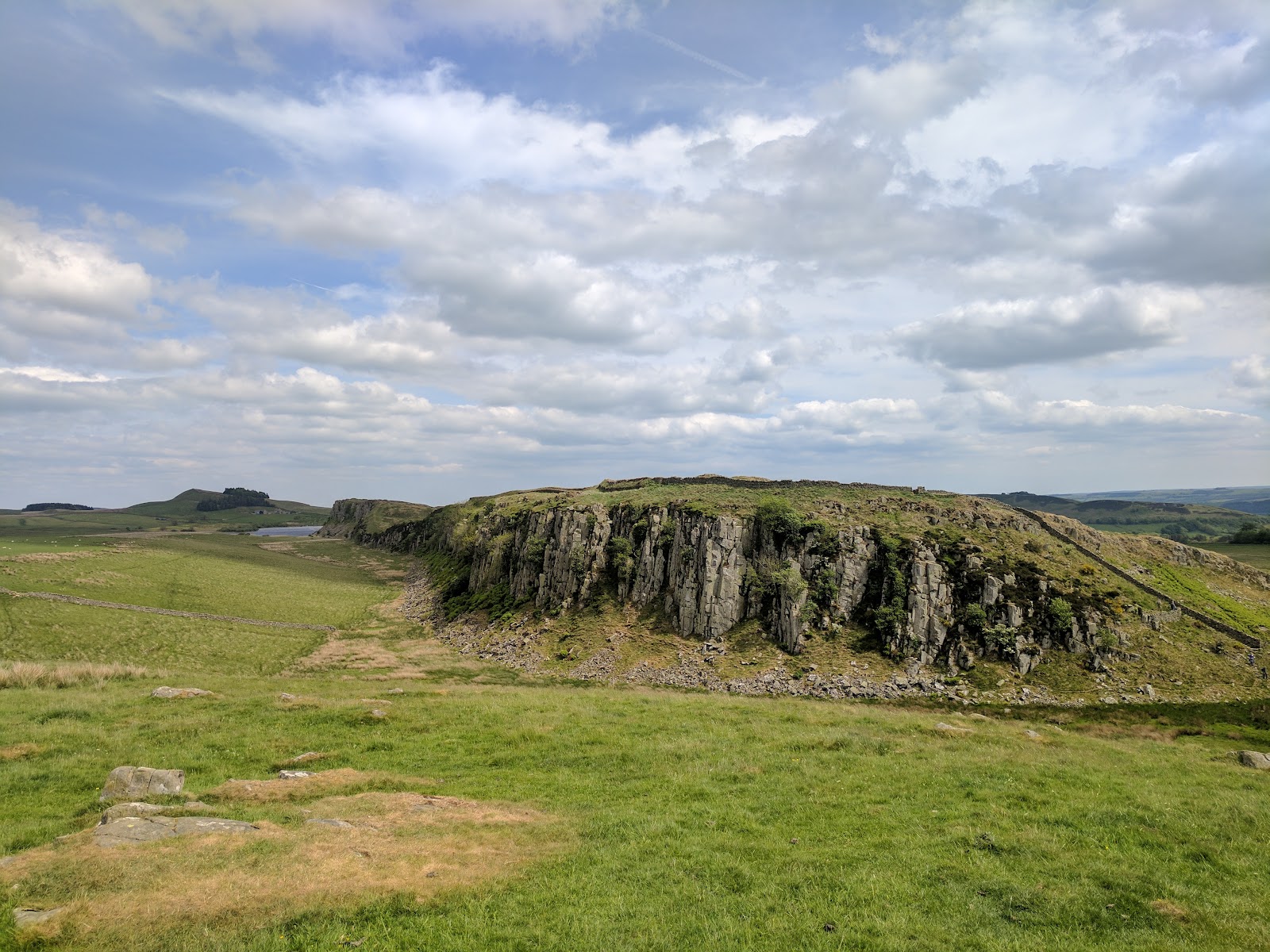
- Cawfields Quarry, Hadrian's Wall: A car park right on the Wall with open views in all directions.
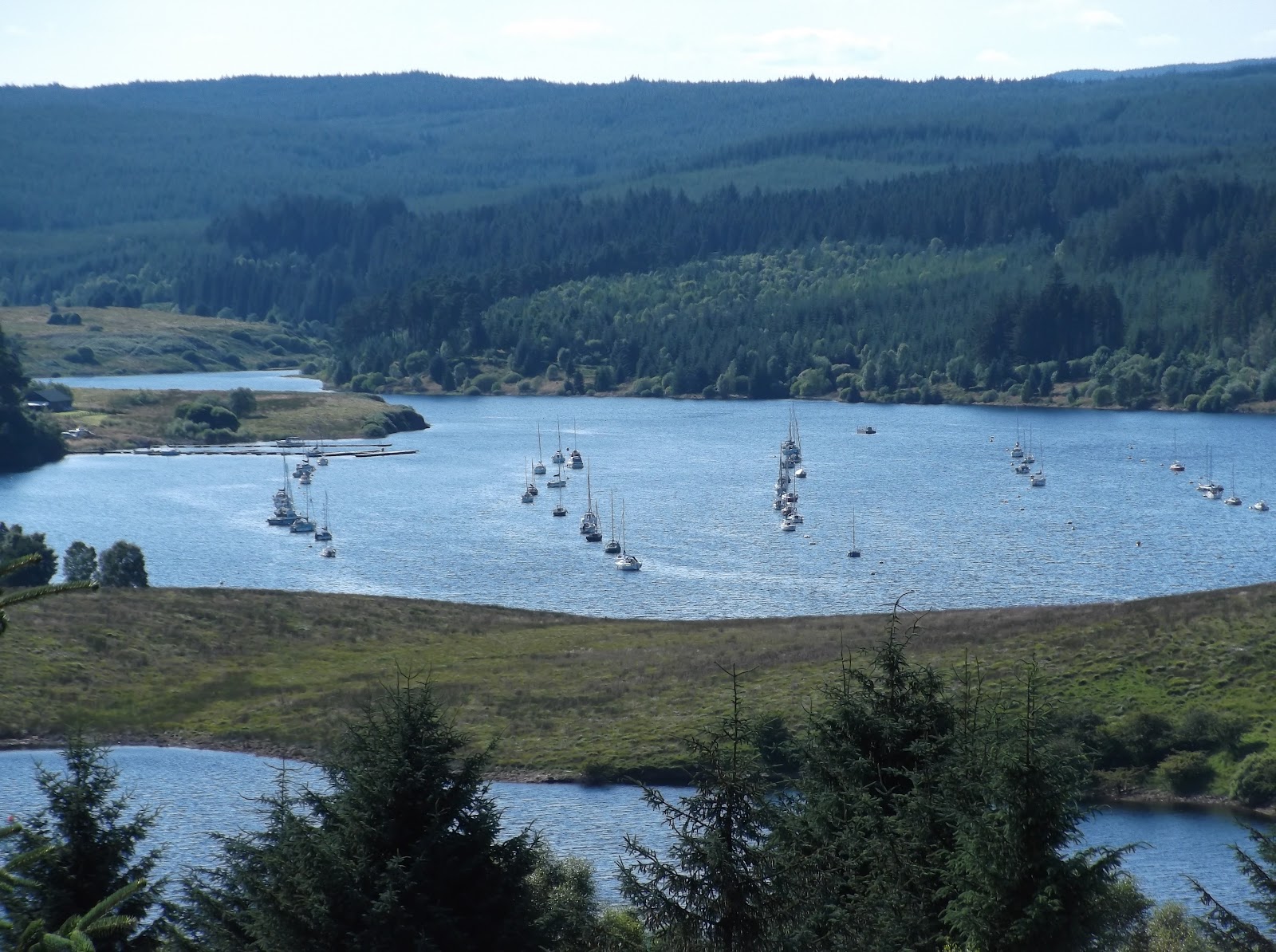
- Kielder Waterside: The shores of the reservoir offer wide horizons and minimal tree cover.
- Alwinton: Deep in the Cheviot Hills, far from any light source.
The Dark Skies Festival
Every February, the North East Dark Skies Festival brings together all five observatories in Northumberland -- Kielder, Battlesteads, Stonehaugh, Twice Brewed, and Allenheads -- for a week of events, workshops, and guided observations.
When to Go
- Best months: September to March, when the nights are longest.
- Best conditions: A clear night around the new moon.
- Summer bonus: From mid-May to August, look for noctilucent clouds -- shimmering silver formations high in the atmosphere.
Practical Tips
- Allow your eyes to adjust: It takes 20-30 minutes for your eyes to fully adapt to the dark.
- Use a red-light torch: White light ruins night vision.
- Download a star map app: Stellarium works offline and helps identify constellations.
- Accommodation: Book early. Kielder village has cottages, log cabins, and a campsite.
Standing beneath the Milky Way in Northumberland is one of those experiences that reshapes your sense of scale. You simply have to go and look up.
Sources & Useful Links
- Northumberland International Dark Sky Park — Official stargazing information
- Kielder Observatory — Public stargazing events and booking
- The Sill National Landscape Discovery Centre — Dark sky events and exhibitions
- Battlesteads Dark Sky Observatory — Observatory at Wark-on-Tyne
- Go Stargazing — Dark sky site finder
- International Dark-Sky Association — Dark sky park accreditation