All Aboard: Northumberland's Railway Renaissance
Whilst most visitors arrive in Northumberland by car, some of the county's most spectacular scenery and hidden stories unfold from a railway carriage window. From the romance of heritage steam locomotives puffing through the Tyne Valley to the dramatic East Coast Main Line hugging clifftops past medieval castles, Northumberland's railways offer a unique perspective on this diverse landscape.
Whether you're a railway enthusiast, a family seeking an adventure, or simply someone who appreciates the slower pace of train travel, Northumberland's rail network—both working and preserved—provides unforgettable journeys through history and landscape.
The Tanfield Railway: Britain's Oldest Railway
Nestled just south of the Northumberland border in County Durham, the Tanfield Railway holds the remarkable distinction of being the world's oldest existing railway, with portions of track dating back to 1725. Operating between Sunniside and East Tanfield, this heritage line offers regular steam-hauled journeys through beautiful countryside that was once the heart of the North East's coal mining industry.
The railway's star attraction is the magnificent Causey Arch, built in 1726 and the world's oldest surviving single-arch railway bridge. Standing 24 metres high, this engineering marvel towers over the wooded gorge below, and the railway passes directly over it—a thrilling moment for passengers. The view from the train as you cross is genuinely breathtaking, particularly in autumn when the surrounding woodland blazes with colour.
Services typically run on Sundays year-round, plus additional days during school holidays and special events. Adult fares are from £15.30, with family tickets offering good value. The journey takes approximately 40 minutes return, but most visitors make a day of it, exploring the lovingly restored Victorian stations at either end. Marley Hill engine shed is particularly worth visiting, where you can often see locomotives being maintained and chat with the volunteer engineers who keep these historic machines running.
The railway hosts themed events throughout the year, including Thomas the Tank Engine days (wildly popular with young families), wartime weekends complete with period re-enactors, and atmospheric Christmas specials. Book these events well in advance as they sell out quickly.
The Newcastle to Carlisle Line: A Journey Through Time
Often overlooked in favour of more famous routes, the Newcastle to Carlisle railway line (also known as the Tyne Valley Line) is one of Britain's most historically rich and scenically varied journeys. Running 60 miles westward from Newcastle, the route follows the River Tyne through the heart of Hadrian's Wall country, passing Roman forts, medieval castles, and quintessentially English market towns.
The journey begins in urban Newcastle but within minutes you're rolling through increasingly rural landscapes. Key stations to consider for exploring include Corbridge, with its Roman town ruins just a short walk away, and Hexham, whose magnificent abbey dominates the skyline as you pull into the station. The town makes an excellent base for exploring the central section of Hadrian's Wall.
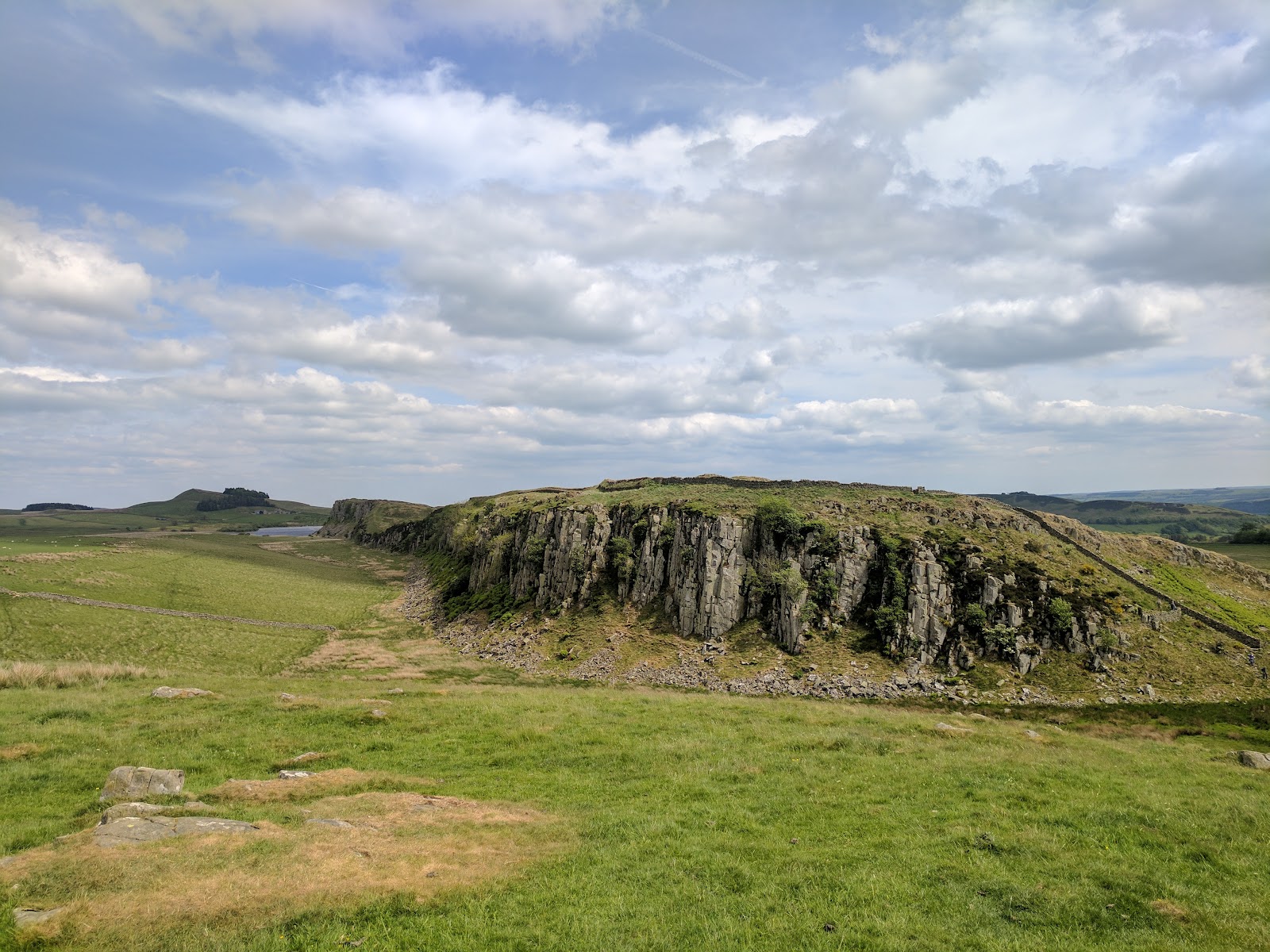
Perhaps the most dramatic section comes between Hexham and Haltwhistle, where the railway runs parallel to Hadrian's Wall itself. Keep your eyes peeled on the northern side of the train for glimpses of this ancient frontier. Bardon Mill station serves as the jumping-off point for Vindolanda and the Roman Army Museum, both within a short taxi or bus ride.
The village of Haltwhistle claims to be the exact geographical centre of Britain (though several other places make the same claim!), and its station provides access to some of the wall's best-preserved sections, including Walltown Crags and the dramatic Sycamore Gap area. From the train, you can see how the landscape shifts from the gentle Tyne Valley to the wilder, more exposed North Pennines.
Services run approximately hourly throughout the day, with the full journey taking around 90 minutes. A day ranger ticket (around £15-20) allows unlimited travel along the line, perfect for hopping off at multiple stops. The first train east and last train west each day offer the best light for photography, with morning sunshine illuminating the south-facing slopes and evening light casting long shadows across the Wall country.
The East Coast Main Line: Castles and Coastline
The East Coast Main Line through Northumberland may be a working intercity route rather than a heritage railway, but the section between Newcastle and Berwick-upon-Tweed ranks among Britain's most spectacular train journeys. This 60-mile stretch showcases the county's famous coastline and castle heritage from a unique vantage point.
Leaving Newcastle, the line hugs the coast almost continuously, offering passengers panoramic views across the North Sea. The first major highlight comes at Alnmouth, where the railway crosses the tidal estuary on a distinctive curved viaduct. The station serves both the pretty harbour village and the inland town of Alnwick with its famous castle and gardens, connected by regular buses.
North of Alnmouth, the drama intensifies. The railway runs along a coastal shelf with the sea to your right (heading north) and agricultural land rising to your left. On clear days, you can see the Farne Islands offshore, with their lighthouse and wheeling seabird colonies. The line then enters Northumberland Coast Area of Outstanding Natural Beauty, and the castles begin to appear.
First comes Warkworth Castle, a magnificent medieval fortress that rises suddenly above the River Coquet. The railway passes near Warkworth, though the castle may only be glimpsed briefly depending on your vantage point. Further north, Dunstanburgh Castle appears as a romantic silhouette on its clifftop promontory—one of the most photographed castles in England, yet rarely seen from this angle.
The absolute highlight comes approaching Berwick-upon-Tweed, where the railway crosses the Royal Border Bridge, a stunning 28-arch viaduct designed by Robert Stephenson and opened in 1850. Standing 38 metres above the River Tweed, the crossing offers spectacular views downstream to the sea and upstream towards the Scottish Borders. Berwick station itself is architecturally impressive, and the town—England's northernmost—makes a fascinating place to break your journey, with its Elizabethan walls and quirky status as a town that changed hands between England and Scotland thirteen times.
Whilst most East Coast Main Line services don't stop at every station, the local Northern services do, allowing you to explore the coastal villages. A one-day ranger ticket covering the North East allows unlimited travel and represents excellent value for exploring.
The Northumberland Line: A Railway Reborn
Exciting developments are transforming Northumberland's railway access. The Northumberland Line, which opened in November 2024, has restored passenger services to a 19-mile stretch of line between Newcastle and Ashington, serving communities that lost their passenger trains in the 1960s Beeching cuts.
Whilst primarily a commuter service, this new line will open up access to previously railway-less parts of south-east Northumberland, including the market town of Bedlington and the former mining communities of Ashington and Woodhorn. The latter is home to Woodhorn Museum, Northumberland's award-winning mining museum set in a beautifully preserved colliery.
When operational, the line will use modern, accessible trains and connect with the Tyne and Wear Metro at Northumberland Park, making it easy to combine a visit to Newcastle with exploration of this often-overlooked corner of the county.
Practical Tips for Railway Explorers
Tickets and Railcards: Invest in a ranger or rover ticket if you plan multiple journeys in one day. The Northern Day Ranger covers most local services across the North East for around £15-20. The Tyne Valley Line Community Rail Partnership often has special offers. National railcards (16-25, Senior, Two Together, Family & Friends) work on all services and typically save you a third.
Best Times to Travel: For photography enthusiasts, early morning services northbound on the East Coast Main Line offer spectacular dawn light over the sea. Autumn provides the most dramatic colours in the Tyne Valley. Winter can be magical but check services carefully as some heritage railways have limited winter operations.
Combining Rail with Walking: Several excellent walks start and end at railway stations. The St Oswald's Way long-distance path intersects with Berwick station. Sections of Hadrian's Wall Path are easily accessible from stations on the Newcastle-Carlisle line. Local tourist information centres provide leaflets detailing circular walks from stations.
Heritage Railway Events: Check heritage railway websites before visiting. Special events are charming but busy; regular services offer a more relaxed experience with more time to chat with volunteers and explore at your own pace.
Food and Refreshments: Heritage railways typically have cafés at their main stations serving decent tea and cake. On the working railways, most local services have no catering, so bring provisions. Hexham and Berwick have excellent cafés and pubs within easy walking distance of their stations.
Planning Your Railway Adventure
A perfect itinerary might combine the Tanfield Railway in the morning (allow 2-3 hours including exploring Marley Hill shed), followed by an afternoon journey on the Tyne Valley Line to Hexham or Haltwhistle. Alternatively, dedicate a full day to the East Coast Main Line, hopping off at Alnmouth for lunch in Alnmouth village (15-minute walk from the station down a lovely lane) and continuing to Berwick in the afternoon to walk the town walls before returning south.
For families, the heritage railways offer the most engaging experience for children, especially during themed events. The Thomas days at Tanfield are particular highlights, but book months ahead.
Railway enthusiasts shouldn't miss the opportunity to photograph the Royal Border Bridge, best viewed from Berwick's riverside walk. The Causey Arch is equally photogenic, with viewpoints below allowing you to appreciate its engineering brilliance.
Journey's End: Why Railways Matter
Travelling by train through Northumberland isn't just about getting from A to B—it's about connecting with landscape, history, and community in a way that car travel simply can't match. Whether you're crossing a Georgian bridge built for horse-drawn wagons, rattling past a Roman wall that defined an empire, or watching castles and coastline unfold from a modern express, Northumberland's railways tell the story of how we've shaped this land and how it shapes us.
So next time you plan a Northumberland adventure, consider leaving the car behind. The county's railways—old and new, steam and diesel, heritage and high-speed—offer journeys as memorable as the destinations themselves.
Sources & Useful Links
- Tanfield Railway — World's oldest railway, steam services
- Heatherslaw Light Railway — Narrow gauge railway at Ford & Etal
- South Tynedale Railway — Heritage railway in the South Tyne Valley
- LNER — East Coast Main Line — Train services to Alnmouth, Berwick and Morpeth
- Northern Trains — Tyne Valley line services
- National Rail — Northumberland Stations — Timetables and route planning