A County Built on Quality Produce
Northumberland's food heritage runs deep. From the fishing villages dotting its Heritage Coast to the rolling farmland of the Cheviots, this county has long been a place where food production is taken seriously. Today, a new generation of artisan producers is building on those traditions, creating everything from award-winning cheeses to traditionally smoked kippers that have been prepared the same way for over a century.
This isn't about fancy restaurants or gastropubs—it's about the people who grow, rear, catch, and craft the food that makes Northumberland special. Whether you're filling a hamper for a coastal picnic or seeking out ingredients for a special meal, these are the places where Northumberland's food story truly comes alive.
Coastal Smokeries and Fish Merchants
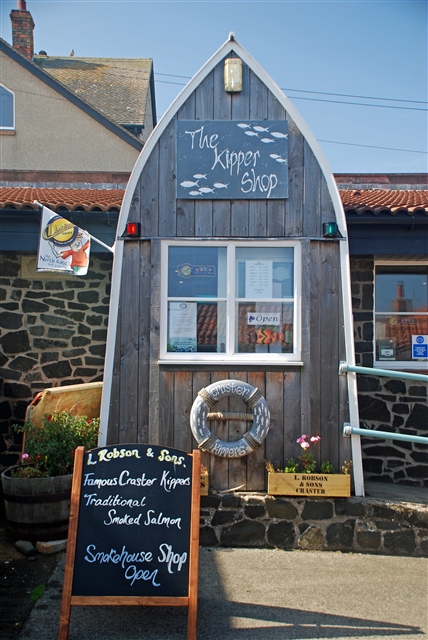
The North Sea has always been central to Northumberland's identity, and nowhere is that more evident than in the county's traditional smokeries. In the tiny harbour village of Craster, L. Robson & Sons has been smoking herrings since 1906. Their oak-smoked kippers are prepared using methods that haven't changed in over a century—herrings are split, brined overnight, then hung in traditional brick smokehouses over smouldering oak shavings.
The result is a breakfast delicacy that's become synonymous with Northumberland itself. You can buy them direct from the smokery shop on Haven Hill, often still warm from the kiln. The sight of golden kippers hanging in rows, the scent of oak smoke drifting across the harbour—it's an experience that connects you directly to centuries of fishing heritage.
Further up the coast in Seahouses, Swallow Fish supplies some of the region's finest restaurants but also welcomes retail customers. Their shop on South Street offers day-boat catches landed at the harbour just metres away: lobster, crab, scallops, and whatever the boats have brought in that morning. The fishmongers here know their trade inside out and will happily advise on preparation and cooking times.
Farm Shops and Delis Worth the Detour
Northumberland's farming landscape produces exceptional beef, lamb, and seasonal vegetables, and several farm shops have become destinations in their own right. Breamish Valley Beef near Powburn operates from a working farm in the Breamish Valley, selling their own pasture-fed beef alongside pork, lamb, and poultry from neighbouring farms. Everything is reared within a few miles, and the butchery counter offers cuts you won't find in supermarkets, prepared by people who know exactly how each animal was raised.
The farm shop also stocks locally milled flour, seasonal vegetables, and preserves made by small producers across the county. It's the kind of place where you might arrive planning to buy a joint for Sunday lunch and leave with half a week's shopping, all of it traceable to specific farms and makers.
In Corbridge, Corbridge Larder on Hill Street is home to arguably the best cheese counter in Northumberland. This comprehensive delicatessen stocks an outstanding selection of cheeses alongside charcuterie, olives, oils, and local preserves. The knowledgeable staff personally select farmhouse cheeses from across Britain and Europe, but the focus remains firmly on local producers. Look for Doddington Dairy cheese from North Northumberland—their Admiral Collingwood is a semi-soft raw milk cow's cheese washed in Newcastle Brown Ale, developing a distinctive pink rind and buttery, complex flavour that's won multiple awards.
Artisan Producers Opening Their Doors
Some of Northumberland's most interesting food producers welcome visitors, offering a chance to see traditional crafts in action. Chain Bridge Honey Farm sits beside the Union Chain Bridge near Berwick (the world's oldest vehicle-carrying suspension bridge, beautifully restored and reopened in 2023). The farm has been producing honey since 1948—over 75 years, with hives scattered across Northumberland gathering nectar from heather moorland, wildflower meadows, and oilseed rape fields.
The on-site shop sells various honey varieties alongside beeswax candles, skincare products, and—most importantly—their renowned honey ice cream, made with local cream and generous amounts of honey. There's a small café serving light lunches where virtually everything contains honey in some form. It's a sweet-toothed pilgrimage site that also offers fascinating insights into beekeeping through display hives and interpretive boards.
Near Stamfordham, Gilchesters Organics is a pioneering organic farm and flour mill situated on an ancient Roman fort near Hadrian's Wall. Founded by Andrew Wilkinson, the farm grows heritage and ancient grain varieties—including spelt, emmer, and einkorn—and mills them on-site using traditional stone millstones. You can buy their stoneground wholemeal, spelt, and heritage wheat flours direct, along with oats and other grains. Many local bakers prize Gilchesters flour for its superior flavour and gluten structure—characteristics that modern roller-milled flour from hybrid grain varieties often lacks.
Market Towns and Food Halls
Alnwick's twice-weekly market (Thursdays and Saturdays) has operated since the 13th century, and whilst it's evolved beyond purely agricultural sales, several stalls still focus on local food. Look for the game dealer selling wild venison, rabbit, and pheasant in season, or the vegetable stall run by a smallholding near Rothbury offering heritage tomato varieties and unusual salad leaves you won't find elsewhere.
Inside Barter Books (the famous second-hand bookshop in the old railway station), many visitors don't realise the station buffet has been revived as a café serving excellent coffee and homemade cakes. Whilst not strictly a food destination, the café uses beans from Ouseburn Coffee Co. in Newcastle and cakes from local bakers, making it worth mentioning for anyone combining book browsing with a refreshment stop.
Near Holy Island, The Barn at Beal is a restaurant, coffee shop, and campsite set in a converted 19th-century cart shed with stunning views across to Lindisfarne. The restaurant serves fresh local food with a focus on Northumberland produce, and there's a small gift shop selling local products and artwork by local photographers. It's an ideal stop for visitors heading to or from Holy Island, combining good food with one of the most spectacular coastal settings in the county. For local craft drinks, look out for beers from Alnwick Brewery and spirits from Hepple Gin (distilled near Rothbury using locally foraged botanicals including Douglas fir and juniper).
Seasonal Food Festivals and Events
Northumberland's food calendar includes several annual events worth planning around. The Northumberland County Show in late May features agricultural competitions and a food hall showcasing county producers—it's part farming exhibition, part rural social event, and entirely authentic.
In September, Alnwick Food Festival takes over the town centre with stalls from regional producers, cooking demonstrations, and tastings. It's grown significantly since its 2009 launch and now attracts food lovers from across the North East. Recent festivals have featured everything from wild boar sausages to sea buckthorn cordial, reflecting Northumberland's diverse food landscape.
Several producers also host their own open days. Chainbridge Honey Farm runs bee-themed events during summer, whilst some farms offer seasonal pick-your-own opportunities for strawberries, raspberries, and pumpkins—check local listings for current schedules.
Practical Tips for Food Explorers
Most farm shops and smokeries keep traditional retail hours (closing around 5pm or earlier on Sundays), so plan morning or early afternoon visits. Many small producers close entirely on Sundays or Mondays—phone ahead if making a special journey.
Bring cool bags and ice packs if buying fresh fish, meat, or dairy, especially during warmer months. Several producers offer vacuum-packing for longer journeys.
Many farm shops are tucked down rural lanes with limited signage—use postcode sat-nav rather than relying on place names alone. Don't be put off by seemingly remote locations; that's often a sign you're on the right track.
For seafood, visit Craster and Seahouses mid-morning when fresh catches are being landed and processed. Arrive too late and the best selections will have gone to restaurant trade customers.
Finally, chat with the people serving you. Northumberland's artisan food scene is built on personal relationships and genuine knowledge. Whether it's advice on cooking kippers, selecting cheese for a cheeseboard, or learning which honey variety pairs best with blue cheese, the producers and shopkeepers are invariably passionate and generous with their expertise.
The Food Journey Continues
Northumberland's artisan food trail isn't a formal route with signposts and official stamps—it's a personal journey of discovery through a county where food production remains rooted in landscape, season, and tradition. Each smokery, farm shop, and dairy tells part of a larger story about how this corner of England continues to produce food that's honest, traceable, and genuinely special.
Whether you're stocking up for a self-catering holiday in a coastal cottage, seeking ingredients for a celebration meal, or simply curious about where good food comes from, Northumberland's producers offer something increasingly rare: a direct connection between the land, the sea, and your table.
Sources & Useful Links
- Doddington Dairy — Award-winning artisan cheese
- L. Robson & Sons, Craster — Traditional kipper smokehouse
- Brocksbushes Farm Shop — Farm shop, PYO and cafe
- Northumberland Cheese Company — Artisan cheesemakers
- Chainbridge Honey Farm — Honey farm and visitor centre near Berwick
- Wylam Brewery — Craft brewery