Beyond the Coast: Northumberland's Forgotten Valleys
Whilst thousands flock to Northumberland's celebrated coastline and the grand sweep of Hadrian's Wall, some of the county's most magical landscapes remain wonderfully overlooked. Tucked into the folds of the Cheviot Hills and scattered across the rolling interior, Northumberland's hidden valleys offer a quieter kind of beauty—places where buzzards circle above ancient woodlands, wild rivers carve through sandstone gorges, and you might walk for hours without seeing another soul.
These secret dales are where locals escape, where shepherd's tracks lead to forgotten farmsteads, and where the only sounds are the bleat of hill sheep and the rush of tumbling burns. If you're willing to venture beyond the well-trodden tourist trails, here's your guide to Northumberland's most enchanting hidden valleys.
Harthope Valley: Waterfalls and Wild Swimming Beneath the Cheviots
Beginning just west of Wooler, Harthope Valley cuts deep into the Cheviot massif, following the bubbling Harthope Burn upstream through a landscape of boulder-strewn hillsides and windswept moorland. This is one of Northumberland's most dramatically beautiful glens, yet it remains blissfully quiet even on summer weekends.
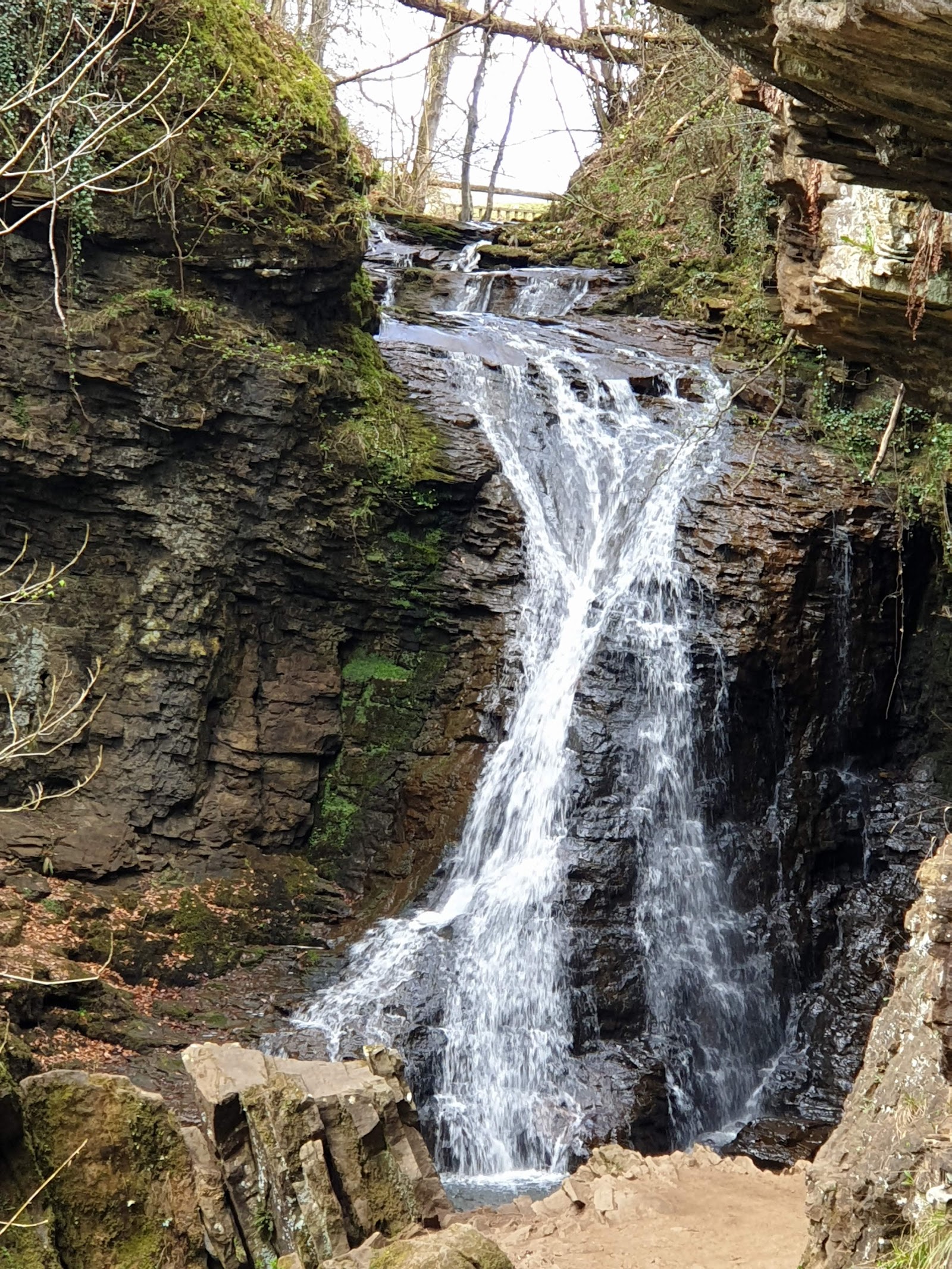
The single-track road from Wooler peters out at a small car park (Langleeford, grid reference NT954224), from where a clear footpath follows the burn upstream. Within half a mile, you'll encounter the valley's first treasure: a series of small waterfalls cascading over pink granite slabs. On warm days, brave souls plunge into the deep pools—the water is absolutely freezing, but exhilarating.
Continue for another mile and you'll reach the Schil, one of the Cheviot's lesser-known peaks. The path becomes rougher here, winding through purple moor grass and past the ruins of long-abandoned shepherds' bothies. In late summer, the hillsides blaze with heather, and the air hums with bees.
Practical tips: The road to Harthope is narrow with few passing places—drive carefully. Parking is limited to around 15 cars, so arrive early at weekends. The valley is Ministry of Defence land with restricted access during firing times—check firing times at gov.uk/government/publications/otterburn-firing-times or call the range control on 01830 520569 before visiting. Waterproof boots essential, even in dry weather. OS Map: Explorer OL16.
College Valley: Northumberland's Most Exclusive Glen
If Harthope is quiet, College Valley is practically deserted—and for good reason. Access along the valley's private road is strictly controlled, limited to just 12 vehicles per day by permit only. This deliberate exclusivity has preserved the College Valley as one of Britain's wildest and most pristine upland landscapes.
The valley stretches for nine miles from Kirknewton deep into the Cheviot Hills, following College Burn through a landscape of dramatic variety. Lower down, ancient oak woods cling to the valley sides; higher up, the valley opens into windswept moorland dotted with hill forts and prehistoric settlements. Red squirrels still thrive here, and you stand a decent chance of spotting roe deer, especially at dawn or dusk.
To visit, you must obtain a permit from the Estate Office (book at least 24 hours ahead by calling 01668 216 652). Permits cost around £12 per vehicle and allow access from 9am to sunset. The road is rough and ends at Mounthooly, from where footpaths lead deeper into the hills—including the challenging but rewarding climb to The Cheviot itself, Northumberland's highest summit at 815 metres.
Practical tips: Book permits well in advance, especially for weekends and school holidays. A high-clearance vehicle is advisable—the road crosses several fords. Pack a picnic; there are no facilities beyond the gate. The valley is closed during lambing season (April-May). Best visited in late spring for wildflowers or autumn for solitude and dramatic light.
Coquetdale: The Valley Time Forgot
The River Coquet rises in the Cheviot Hills and winds eastward through one of Northumberland's gentlest and most pastoral landscapes. Whilst the lower reaches around Rothbury attract visitors, the upper Coquet Valley—particularly the stretch between Alwinton and the Scottish border—remains gloriously undiscovered.
This is a landscape of small stone villages, ancient drove roads, and hills carpeted with bilberry and heather. The Coquet itself is a delight: crystal-clear water flowing over water-worn bedrock, with deep pools that harbour brown trout and the occasional salmon. In places, native woodlands of birch and rowan crowd the riverbanks; elsewhere, the valley opens into flower-rich meadows grazed by hardy Cheviot sheep.
The village of Alwinton makes an excellent base for exploring. From here, you can walk the Clennell Street, an ancient drove road that climbs steeply out of the valley towards the Scottish border. The views from the ridge are stupendous—mile upon mile of empty hills rolling away in every direction. Alternatively, follow the Coquet upstream from Barrowburn, where a rough track leads to Chew Green, site of a remarkably well-preserved Roman marching camp.
Practical tips: Alwinton has very limited parking—use the small car park near the church (respect private land). The Rose & Thistle pub serves excellent lunches (weekends and holidays only out of season). Mobile signal is non-existent once you leave the villages. The upper valley is closed to vehicles beyond Barrowburn. Stock up on supplies in Rothbury before heading up-valley.
Breamish Valley: Ancient Forests and Iron Age Secrets
Running parallel to Harthope Valley but slightly to the east, the Breamish Valley offers an altogether gentler experience. Here, the River Breamish meanders through a pastoral landscape of wildflower meadows, deciduous woodlands, and steep-sided hills crowned with Iron Age hillforts.
The tiny hamlet of Ingram, about seven miles west of Powburn, sits at the gateway to the valley. From the National Park car park here, a network of waymarked trails explores the surrounding hillsides. The circular walk to Brough Law (a spectacular hillfort with stunning 360-degree views) is particularly rewarding—about 5 miles with around 350 metres of ascent.
What makes Breamish Valley special is its woodland. Fragments of ancient semi-natural oak and ash woodland survive here, remnants of the wildwood that once cloaked much of upland Northumberland. In spring, these woods explode with bluebells, wood anemones, and wild garlic. Listen carefully and you might hear the distinctive drumming of a great spotted woodpecker or the high-pitched call of a wood warbler.
After your walk, the Ingram Valley Tearoom serves homemade cakes and proper afternoon tea—though opening hours are limited, so check ahead.
Practical tips: Park at the National Park car park in Ingram (small fee, honesty box). Several good circular walks from 2-8 miles; pick up a free map from the information board. Paths can be very muddy—good boots essential. The tearoom generally opens weekends and school holidays, 10am-5pm. Excellent for families with older children who can manage moderate hill walking.
Redesdale: Northumberland's Dark Heart
Perhaps the least visited of all Northumberland's major valleys, Redesdale follows the River Rede northwards from Bellingham towards the Scottish border. This is a landscape with a turbulent past—these were the lands of the notorious border reivers, and ruined pele towers still dot the hillsides, silent witnesses to centuries of cattle raiding and clan warfare.
Today, Redesdale is better known for its vast conifer plantations—Kielder Forest spreads across the western flanks of the valley—but pockets of moorland and riverside meadows survive, and the sense of remoteness is palpable. The A68 runs up the valley, but turn off onto the minor roads and you'll discover a secretive landscape of hidden burns, abandoned farmsteads, and ancient drovers' tracks.
The hamlet of Byrness, near the valley's head, makes an atmospheric starting point for exploring. From here, you can walk sections of the Pennine Way, which crosses Redesdale on its long journey from Derbyshire to Scotland. Alternatively, drive the tiny road over Carter Bar to the Scottish border—on a clear day, the views extend across the Cheviots to the distant North Sea.
Practical tips: Byrness has a small hotel (Border Hotel) and a very basic campsite; otherwise, accommodation is scarce. Petrol stations are few and far between—fill up in Bellingham or Otterburn. Much of the valley is used for military training; red flags indicate when firing ranges are active. The area is remote; always carry maps, waterproofs, and extra food. Best avoided in winter unless you're experienced in mountain conditions.
When to Visit: Seasons in the Secret Valleys
Spring (April-May): Woodlands burst into life with bluebells and wood anemones. Lambs fill the meadows. Rivers run full and fast with snowmelt. Some access restrictions during lambing.
Summer (June-August): Long daylight hours perfect for extended walks. Wildflowers at their peak. Wild swimming in the burns is possible but the water is extremely cold — enter gradually, never swim alone, and be aware of the risk of cold water shock. Midges can be bothersome in still, humid conditions.
Autumn (September-October): Heather moors turn purple and gold. Red deer rut in the high hills. Fewer visitors and stunning photography light. Weather increasingly unpredictable.
Winter (November-March): The valleys take on a stark, dramatic beauty under snow. Waterfalls freeze into ice sculptures. Shortest days limit walking hours. Many valley roads become impassable—check conditions before setting out.
Essential Gear for Valley Exploring
These are working landscapes, not manicured parks. Come properly prepared:
- Waterproof boots: Paths are often boggy, even in summer
- OS maps and compass: Mobile signal is patchy to non-existent
- Layers: Weather changes rapidly in the hills
- Food and water: Facilities are minimal to absent
- Tick remover: The valleys harbour sheep ticks, especially May-September
- Binoculars: For wildlife watching and distant views
Quick Tips for Valley Visitors
- Respect access restrictions: Many valleys cross private land or military training areas—check access before visiting
- Leave no trace: Pack out all rubbish; wild camp only where permitted
- Drive carefully: Valley roads are narrow, winding, and often single-track with limited passing places
- Support local businesses: Stop at village cafes and shops when you can
- Check the weather: Conditions change rapidly; what starts as sunny can turn to driving rain in minutes
- Time your visit: Early morning or late afternoon offers the best light and wildlife encounters
- Tell someone your plans: These are remote areas; let someone know your intended route and expected return time
Northumberland's secret valleys reward those willing to venture beyond the obvious. Here, among the hidden burns and forgotten dales, you'll discover a Northumberland that feels untouched by time—a landscape of rare beauty, profound quiet, and genuine wildness. Pack your boots, grab your map, and lose yourself in the folds of these ancient hills.
Sources & Useful Links
- Northumberland National Park — Official park information and walking routes
- Visit Northumberland — Coquetdale — Coquetdale visitor guide
- Ingram Valley & Breamish Valley — Walking trails and access
- Allen Banks & Staward Gorge (National Trust) — Woodland walks in the Allen Valley
- Tarset & Greystead Community — Local information for North Tyne valley