Discovering Northumberland's Creative Heart
Northumberland's cultural landscape extends far beyond its famous castles and Roman ruins. This sprawling county harbours a vibrant arts scene that reflects both its rugged heritage and contemporary creative spirit. From cutting-edge galleries housed in former granaries to traditional craft workshops nestled in stone cottages, the region offers cultural experiences that reward the curious traveller.
The county's artistic identity has been shaped by its dramatic landscapes and maritime history. Artists have long been drawn to the quality of light along the coast, whilst the rural interior has fostered generations of traditional craftspeople. Today, this creative legacy continues through a network of galleries, studios, and cultural venues that punch well above their weight for a predominantly rural area.
Berwick-upon-Tweed's Gallery Trail
The border town of Berwick-upon-Tweed serves as Northumberland's unofficial arts capital. The Granary Gallery, situated within the town's atmospheric Barracks complex, showcases contemporary visual art within a beautifully restored 18th-century grain store. The gallery's programme features both established and emerging artists, with a particular focus on work that engages with landscape, place, and the natural world.
The gallery's industrial architecture provides a striking backdrop for rotating exhibitions that might include anything from large-scale abstract paintings to delicate ceramics. The space also hosts artist talks and workshops throughout the year, creating opportunities to engage directly with practitioners. The adjacent Berwick Museum shares the building, allowing visitors to trace artistic connections between contemporary work and historical artefacts.
A short walk away, the Maltings Theatre and Cinema occupies a converted 19th-century maltings building beside the River Tweed. This intimate venue has become a cultural hub for the region, presenting touring theatre productions, independent films, live music, and literary events. The 311-seat theatre maintains a deliberately eclectic programme, from Shakespeare performed by regional companies to experimental dance and contemporary folk music.
Woodhorn Museum's Artistic Evolution
Further south near Ashington, Woodhorn Museum demonstrates how Northumberland's industrial heritage has been reimagined as cultural infrastructure. This former colliery now houses the Northumberland Archives and two art galleries alongside its mining heritage displays. The museum's unexpected claim to fame is the Ashington Group collection—an extraordinary body of work created by local miners who attended art classes in the 1930s and 40s.
These 'Pitmen Painters' created hundreds of works depicting both their underground working lives and the surrounding landscape with remarkable skill and sensitivity. The permanent collection includes powerful scenes of industrial labour alongside pastoral landscapes, providing unique insight into working-class artistic expression during the mid-20th century. Temporary exhibitions complement this core collection, often featuring contemporary artists responding to themes of work, community, and social change.
The museum's setting offers its own rewards. The preserved colliery buildings, winding gear, and pit head baths create an atmospheric backdrop, whilst the surrounding country park provides pleasant walking routes. The combination of industrial architecture, archive resources, and gallery spaces makes Woodhorn a distinctive cultural destination.
Barter Books and Literary Berwick
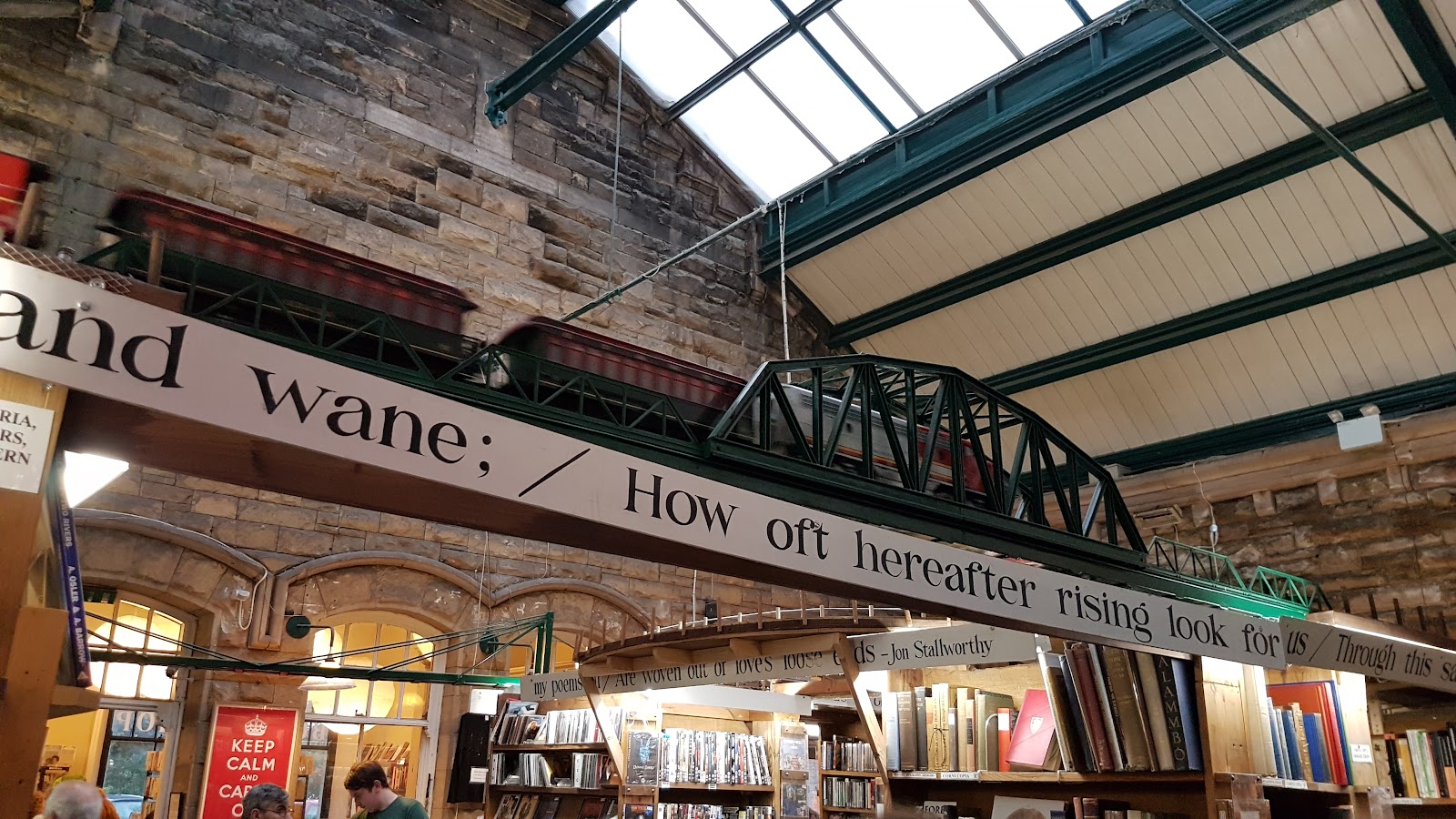
Back in Berwick, Barter Books represents possibly the most beloved independent bookshop in northern England. Occupying a magnificent Victorian railway station, complete with original waiting rooms and ticket office, this second-hand bookshop has achieved cult status among bibliophiles. Visitors browse tens of thousands of volumes whilst vintage railway signs and model trains overhead evoke the building's original purpose.
The shop's café serves as an informal literary salon where readers settle into armchairs with their finds, surrounded by book-lined walls and the gentle clatter of the model railway. Open fires in winter and the building's soaring architecture create an atmosphere that encourages lingering. The shop gained unexpected fame for discovering and popularising the 'Keep Calm and Carry On' poster, originally printed during the Second World War but never actually distributed.
Berwick's literary connections extend beyond its bookshop. The town hosts regular spoken word events, book launches, and writing workshops through various venues. The Berwick Literary Festival, held annually in October, brings authors and poets to historic venues around the town, from church halls to the Elizabethan ramparts.
Craft Studios and Traditional Skills
Northumberland's craft tradition remains vibrantly alive through working studios scattered across the county. In the rural heart of the region, traditional skills like pottery, weaving, and woodworking continue through contemporary practitioners who welcome visitors. Many studios offer workshops where participants can try techniques from wheel-thrown pottery to natural dyeing.
The county's artistic identity includes a strong textile tradition. Several working weavers maintain studios where they produce contemporary fabrics on traditional looms, often using wool from local flocks. These spaces typically welcome visitors by appointment, offering insight into processes that connect directly to the region's agricultural heritage. Watching a skilled weaver at work provides a meditative experience, the rhythmic clack of the loom creating patterns that reference both historical designs and modern aesthetics.
Pottery studios dot the region, many housed in converted farm buildings or rural workshops. Several have achieved national recognition for their distinctive glazes and forms, often inspired by coastal landscapes and archaeological finds. Most potters welcome studio visits where you can watch throwing demonstrations, browse finished work, and discuss the creative process.
Music Venues and Performance Spaces
Northumberland's music scene thrives in venues ranging from historic churches to contemporary arts centres. The Forum Cinema and Arts Centre in Hexham provides a focal point for the western part of the county, hosting everything from touring indie bands to classical recitals. The venue's intimate scale allows for close engagement with performers, whilst its diverse programme ensures regular surprises.
Traditional folk music remains strong across the region, with pub sessions and dedicated folk clubs maintaining repertoires of Border ballads and Northumbrian pipe tunes. The Northumbrian smallpipes—a distinctive regional instrument with a sweet, quiet tone—can be heard at folk gatherings and traditional music sessions. Several venues host regular sessions where musicians gather informally, creating evenings where traditional tunes mix with contemporary folk compositions.
Church concerts represent another distinctive thread in Northumberland's musical life. Many of the region's historic churches, from tiny rural chapels to grand medieval parish churches, host concert series during summer months. The acoustics of stone vaulting and the atmospheric settings create memorable experiences, whether listening to early music performed on period instruments or contemporary choral works.
Seasonal Festivals and Cultural Events
The cultural calendar pulses with festivals that animate towns and villages throughout the year. The Berwick Film and Media Arts Festival, held each September, transforms the border town with outdoor projections, experimental film screenings, and artist-led walks. The festival's curatorial approach emphasizes site-specific work and community engagement, often commissioning new pieces that respond to Berwick's unique character.
Smaller festivals celebrate everything from storytelling to contemporary craft. The Hexham Book Festival brings authors to venues around this historic market town each spring, whilst various craft fairs showcase regional makers. These events create opportunities to meet artists and makers directly, understand their processes, and acquire unique pieces.
Several venues host regular cultural programmes that function as mini-festivals in themselves. The Maltings in Berwick, for instance, runs themed weekends celebrating everything from Nordic noir films to traditional music from across the British Isles. These focused programmes allow deep dives into particular artistic territories.
Planning Your Cultural Journey
Northumberland's cultural attractions reward careful planning due to their geographic spread. Many smaller studios and galleries operate limited hours or require advance booking, particularly outside peak season. The county's rural character means that visiting multiple venues typically requires driving, though Berwick's compact centre allows walking between sites.
Combining cultural visits with the region's other attractions creates satisfying itineraries. A day in Berwick might pair gallery visits with a walk on the Elizabethan ramparts, whilst the drive to Woodhorn passes through former mining communities where industrial heritage remains visible in the landscape.
The changing seasons influence both accessibility and atmosphere. Summer brings extended hours and outdoor events, whilst winter offers cosy bookshop browsing and candlelit church concerts. Spring and autumn provide ideal conditions for studio visits, with good light and fewer crowds.
The Creative Community
What distinguishes Northumberland's arts scene is its genuine community character. Artists and craftspeople here typically balance their creative practice with deep engagement in local life. Gallery openings, craft fairs, and performances often feel like community gatherings rather than formal cultural events.
This accessibility extends to learning opportunities. Many artists offer workshops or mentoring, sharing skills developed over decades. These encounters provide insights impossible to gain through passive observation—the weight of a potter's wheel, the resistance of warp threads, the acoustics that make a small church perfect for unaccompanied singing.
The region's creative practitioners often work in deliberate dialogue with landscape and heritage. A textile artist might reference archaeological patterns found on ancient stones, whilst a contemporary painter explores the same coastal light that attracted earlier generations. This continuity creates cultural depth that enriches even casual encounters.
Northumberland's arts and culture scene rewards curiosity and flexibility. Behind converted farm doors and within restored industrial buildings, creative energy thrives in forms both traditional and contemporary. Whether you're drawn to visual art, live performance, traditional crafts, or literary culture, the county offers discoveries that linger long after your visit ends.
Sources & Useful Links
- The Granary Gallery, Berwick — Contemporary art gallery
- Forum Cinema, Hexham — Independent cinema and events
- Woodhorn Museum — Art collections and exhibitions
- Alnwick Playhouse — Arts and performance venue
- Queens Hall Arts Centre, Hexham — Music, film and theatre
- Northumberland Craft Trail — Galleries and studios