Why Holy Island Should Be Your Next Northumberland Adventure
There's something utterly magical about a place you can only reach at certain times of day. Holy Island, also known as Lindisfarne, is one of Britain's most atmospheric tidal islands—a windswept spit of land connected to the Northumberland mainland by a causeway that disappears beneath the North Sea twice daily. Getting the timing wrong means waiting hours for the tide to recede, or worse, getting stranded. Getting it right means experiencing one of the most spiritually resonant and historically rich day trips in northern England.
This isn't just about ticking off a tourist attraction. Crossing the causeway feels like stepping back through centuries, arriving on an island where saints once walked, Vikings raided, and monks illuminated some of the world's most beautiful manuscripts. Today, it's home to around 160 hardy souls who live their lives by the rhythm of the tides, alongside the thousands of visitors who make the pilgrimage each year.
Planning Your Crossing: Tide Times Are Everything
Let's be absolutely clear: the tide waits for no one. The causeway is submerged for roughly five hours twice a day, and those safe crossing times change daily. Before you even think about setting off, check the official tide timetables posted at <https://www.holyislandcrossings.com> or displayed at the causeway entrance on the mainland side.
The general rule is you can cross approximately three hours either side of low tide. There are large illuminated signs showing safe crossing times, and refuge boxes on stilts halfway across for anyone caught out (though you really don't want to need them). The AA reports that around one vehicle a month gets stuck, which means recovery costs, a ruined car, and a very embarrassing story.
Top tip: arrive on the island as the causeway opens in the morning, when crowds are thinnest and the light is gorgeous. You'll have the place largely to yourself for an hour or two before the coach parties arrive. Conversely, late afternoon visits give you that golden-hour glow across the priory ruins, though you must watch your departure time religiously.
The car park on Holy Island costs around £5 for the day (cash or card), and it's just a short walk into the village from there. If you're feeling intrepid, you can also walk across the causeway via the Pilgrims' Way—a traditional route marked by poles across the sands that takes about an hour on foot. Only attempt this with careful tide planning — allow at least two hours before the causeway floods, wear sturdy footwear (the sand can be soft and uneven), and never attempt the crossing in poor visibility. People have been caught out on this route; if in doubt, drive across the causeway instead.
Lindisfarne Priory: Where History Echoes
The ruins of Lindisfarne Priory are the island's beating heart. Founded in 635 AD by Saint Aidan, this was one of the most important centres of Christianity in Anglo-Saxon England. The monks here created the Lindisfarne Gospels—an illuminated manuscript of such breathtaking beauty that it's considered one of Britain's greatest artistic treasures (now housed in the British Library, but a facsimile is displayed in the priory museum).
What you see today dates mostly from the Norman period, built after the original monastery was abandoned following repeated Viking raids—most famously in 793 AD, an event that sent shockwaves through Christendom. The red sandstone ruins rise dramatically against the sky, their empty Gothic arches framing views of sea and sand. It's impossibly photogenic.
Entry to the priory costs around £8.10 for adults (£7.30 concessions, £4.90 children), with English Heritage members entering free. The attached museum provides excellent context about the site's history, the Gospels, and the archaeological discoveries made here. Allow at least an hour to wander the ruins and soak in the atmosphere—longer if you're a history enthusiast or photographer.
The priory is managed by English Heritage and generally opens from 10am to 4pm in winter, 10am to 6pm in summer, but check ahead as hours can vary. The ruins are largely accessible, though the sandy paths and uneven stonework may challenge wheelchair users.
Lindisfarne Castle: The Edwardian Fantasy
Perched on a volcanic outcrop at the island's southern end, Lindisfarne Castle looks like something from a fairy tale. Built in the mid-1500s as a coastal fort, it was converted in 1903 by architect Edwin Lutyens into an Edwardian holiday home for Edward Hudson, founder of Country Life magazine. The result is a quirky, intimate castle that feels more like a sophisticated summer retreat than a defensive stronghold.
The interior is beautifully preserved, with Lutyens' characteristic Arts and Crafts touches throughout—low doorways, inglenook fireplaces, ship's room feel. The views from the castle across to Bamburgh and the Farne Islands are simply stunning. Outside, the walled garden designed by Gertrude Jekyll offers sheltered colour even on blustery days, a remarkable achievement given the island's exposure to salt winds.
The castle is owned by the National Trust, with tickets around £10.50 for adults (free for NT members). It's about a 15-minute walk from the village along a path that can be muddy and windswept. The castle closes in winter (roughly November to February) and has limited opening in early spring and late autumn, so check the National Trust website before visiting. The Jekyll garden keeps slightly longer hours and is worth the walk even if the castle itself is closed.
The Village: Mead, Oysters, and Island Life
Holy Island village is small but perfectly formed, with stone cottages clustered around a green. The island's most famous product is Lindisfarne Mead, made here since the 1960s, when a recipe was developed inspired by the island's monastic heritage. St Aidan's Winery, right in the village, offers free tastings of their honey-wine, which ranges from traditional sweet mead to more contemporary flavours. It's touristy, yes, but genuinely interesting and a bottle makes a great souvenir. They're open most days from around 10am to 5pm, though hours can be tidal-dependent.
For food, the island punches above its weight. The Pilgrims Coffee House does excellent homemade soup, sandwiches, and cakes—perfect for lunch with sea views. The Crown and Anchor pub offers heartier fare, including locally-caught crab and Lindisfarne oysters when available. For something special, the Manor House Hotel's restaurant serves refined Modern British cooking using island and Northumberland produce, though booking ahead is essential.
Don't miss the island's tiny post office, where you can send postcards with a special Holy Island postmark. There are also several galleries and craft shops selling local art, jewellery, and pottery—genuinely lovely pieces rather than tat, reflecting the island's long-standing attraction for artists and makers.
The Beaches and the Upturned Boats
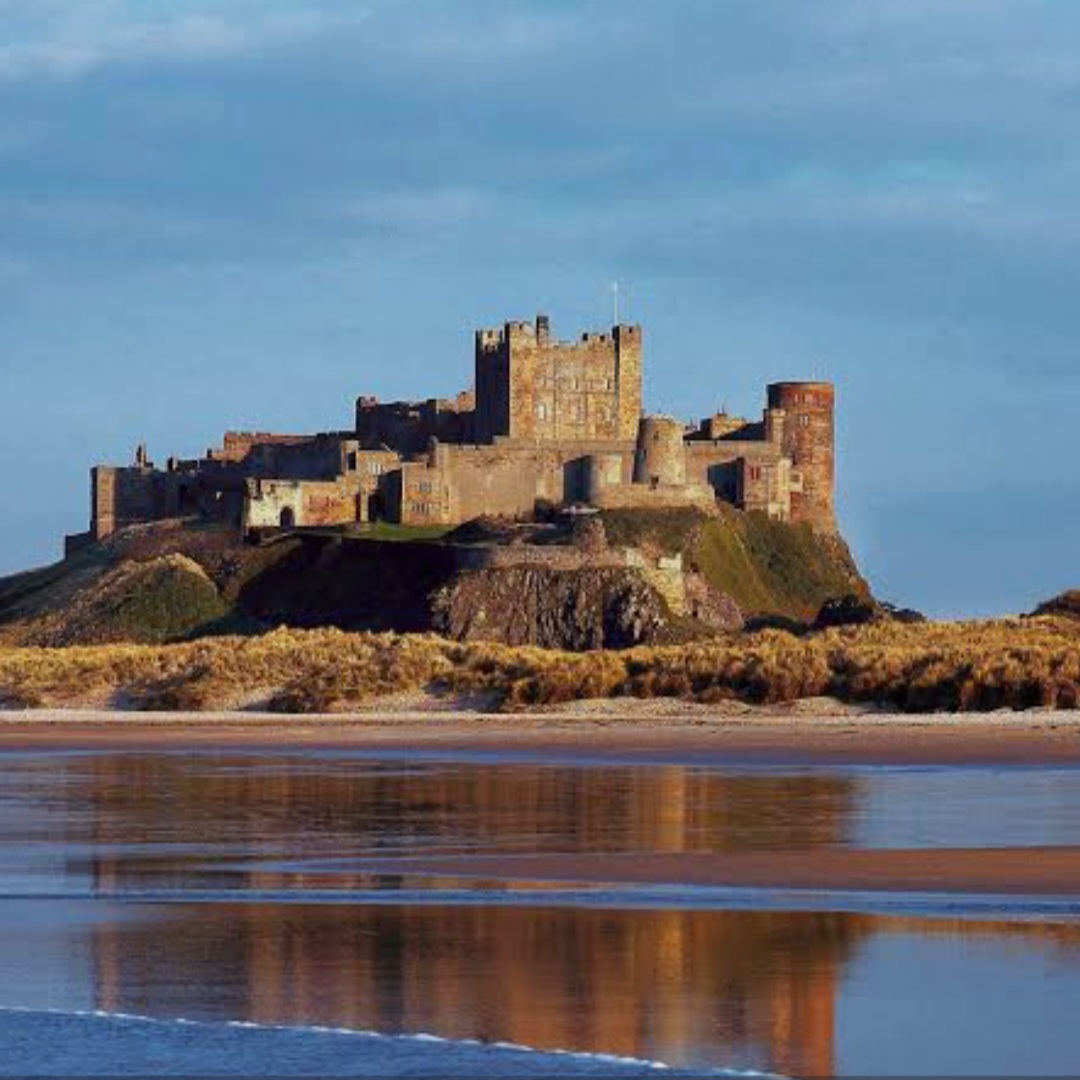
Once you've done the heritage sites, explore the island's wild edges. The beaches are wonderfully empty, with vast stretches of sand at low tide and views across to Bamburgh Castle on the mainland. The north shore, beyond the priory, is particularly atmospheric, with old fishing boats upturned and converted into sheds—a distinctive Northumbrian tradition.
The entire island is approximately 3 miles long by 1.5 miles wide, making it perfect for a leisurely wander. Wear good walking boots if you plan to explore beyond the paved paths, as it can be boggy. The whole island is a National Nature Reserve, important for breeding and migrating birds—bring binoculars if you're into wildlife. In winter, you might spot pale-bellied brent geese, wigeon, and bar-tailed godwits; in summer, eider ducks nest on the shoreline.
For photographers, the causeway itself makes a dramatic subject, especially the line of wooden refuge posts marching across the sands. At low tide, you can walk out among them for unique perspectives, but never lose track of the incoming tide.
St Mary's Church: The Island's Living Heart
While the priory gets most attention, don't overlook St Mary's Church in the village centre. Parts date to the Norman period, built on the site where Saint Aidan established his first wooden church in 635 AD. The interior has beautiful stained glass and a replica of the Lindisfarne Gospels' carpet pages. It's still a working parish church and usually open for visitors—free entry, donations welcome. There's something profoundly moving about worshipping in a space with nearly 1,400 years of continuous Christian presence.
Practical Tips for the Perfect Visit
Timing is crucial: Arrive early, leave on time. Set multiple alarms for your departure. The tides don't care about your schedule.
Bring layers: The island is notoriously windy. Even on a sunny day, you'll want a windproof jacket. In winter, it's positively Baltic.
Pack snacks and water: While there are cafes, they can get rammed at peak times. Having your own supplies gives you freedom to explore without being tied to opening hours.
Cash and cards: Most places now take cards, but the signal can be patchy, so carrying some cash is sensible.
Combine with the mainland coast: If you've timed your visit well, you'll have several hours on the island. Consider pairing it with a stop at Bamburgh village or a walk along the nearby coast—but always, always, always keep that return crossing time in mind.
Respect the island: This is a small community living with mass tourism. Don't block driveways, keep dogs under control, take litter home, and remember locals are trying to go about their daily lives.
Quick Tips Summary
- Check tide times before you travel—and then check again
- Arrive early or late to avoid crowds
- Budget 3-4 hours minimum on the island
- Wear warm, windproof layers and comfortable walking shoes
- Combine heritage sites with beach walks for a varied day
- Try the mead (even if you think you don't like mead)
- Bring a camera—this is one of England's most photogenic locations
- Don't rush—the magic of Holy Island reveals itself to those who slow down
Holy Island isn't just a day trip; it's a journey to somewhere that feels genuinely apart from the modern world. The twice-daily severing from the mainland creates a rhythm and atmosphere you simply can't experience elsewhere in Northumberland. Cross the causeway, explore at your own pace, and let the island's ancient peace wash over you. Just don't forget to check those tide times one more time before you leave.
Sources & Useful Links
- Holy Island Crossing Times — Official safe crossing times
- Lindisfarne Priory (English Heritage) — Priory visiting information
- Lindisfarne Castle (National Trust) — Castle opening times and events
- Manor House Hotel, Holy Island — Hotel and dining on the island
- Pilgrims Coffee House — Cafe and roastery on Holy Island
- Lindisfarne Mead — St Aidan's Winery